Why visit
Côte d'Ivoire pairs Abidjan's lagoon-side energy with surf at Assinie, the colonial quarter of Grand-Bassam, and the world's largest church dome in Yamoussoukro. Comoé and Taï national parks protect West African rainforest.
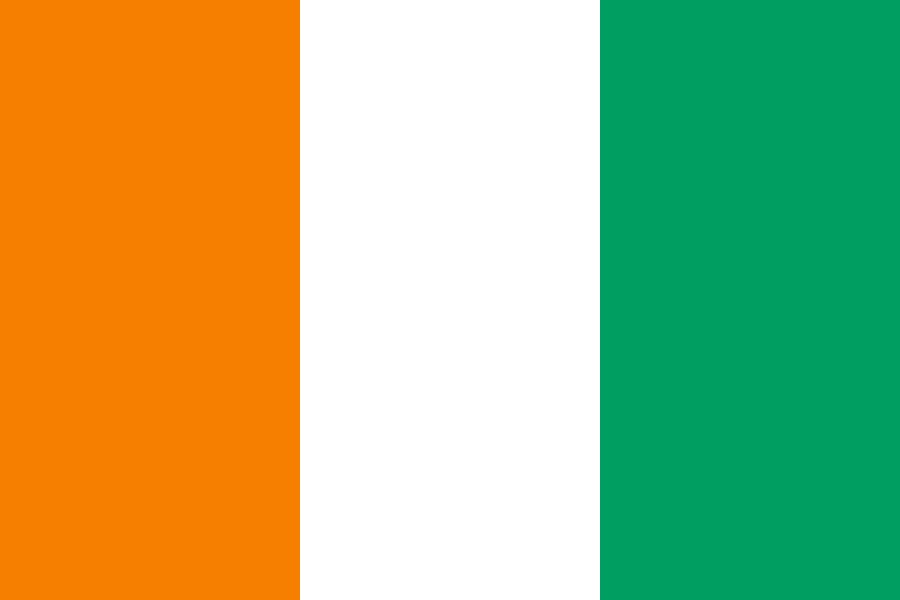
Country - Africa
Why visit
Côte d'Ivoire pairs Abidjan's lagoon-side energy with surf at Assinie, the colonial quarter of Grand-Bassam, and the world's largest church dome in Yamoussoukro. Comoé and Taï national parks protect West African rainforest.
How to use this result
Côte d'Ivoire works best as a first-pass travel idea. Start with the region, season, and themes on this page, then compare flights, entry rules, safety guidance, and local transport before treating it as a real option.
Use Yamoussoukro as the administrative starting point, then check whether the strongest trip idea is actually the capital, a coastal area, a nature route, or another city in Côte d'Ivoire.
At a glance
Location
8.0°, -5.0°
Coast
Has coastline
Traffic
Drives on the right
Time zones
Single time zone
Country area
322,463 km²
124,504 mi²
Country population
29.3 million
91/km²
Subregion
Western Africa
Currency
West African CFA franc (Fr)
XOF
Dial
+225
Language
French
Demonym
Ivorian
Internet
.ci
UN
Member state
ISO code
CI / CIV
Where in the world
8.0° - -5.0°
Click the map to open in Google Maps. Outline via svg-maps/world - CC BY 4.0
Did you know
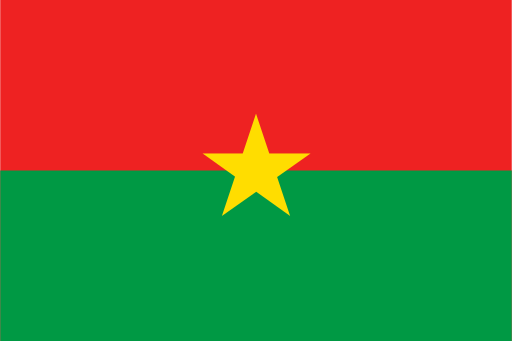
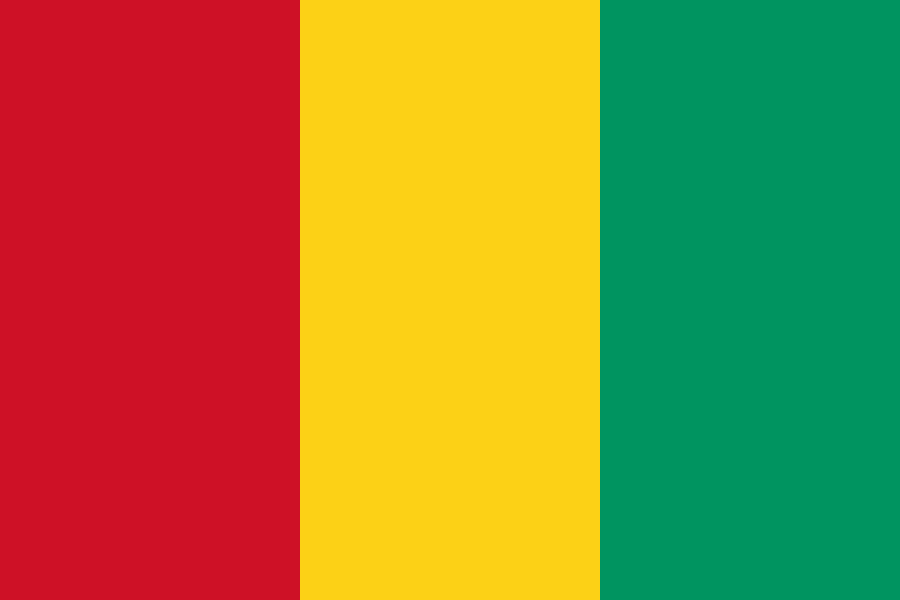
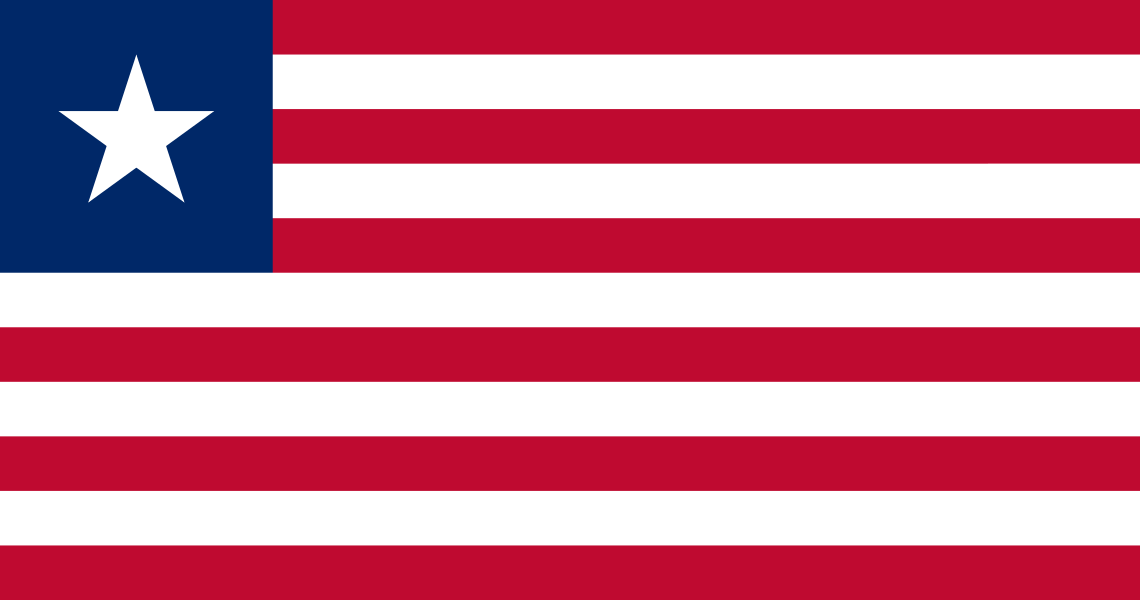
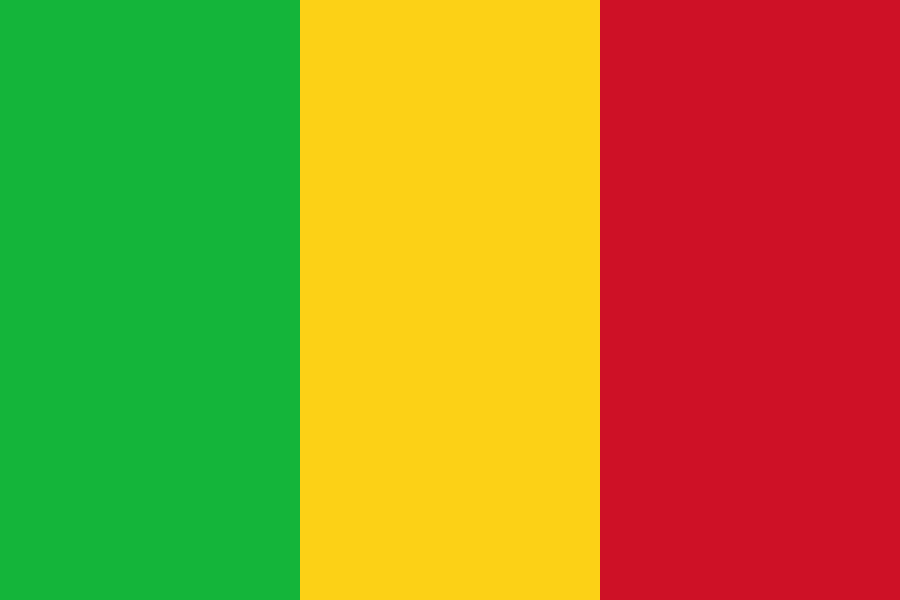
Bordering Côte d'Ivoire
Traveler notes
Plan checks
Explore more
Facts last reviewed June 2026 against GeoNames and national statistics sources. See the editorial policy for how destination data is maintained.
Frequently asked about Côte d'Ivoire
Yamoussoukro is the capital of Côte d'Ivoire.
Côte d'Ivoire uses the West African CFA franc (Fr), ISO code XOF.
The primary language is French.
No, Côte d'Ivoire has a coastline.
Côte d'Ivoire borders Burkina Faso, Ghana, Guinea, Liberia, Mali.
The calling code is +225.
Nov–Mar. Check current weather and local events before booking.
Other Africa destinations
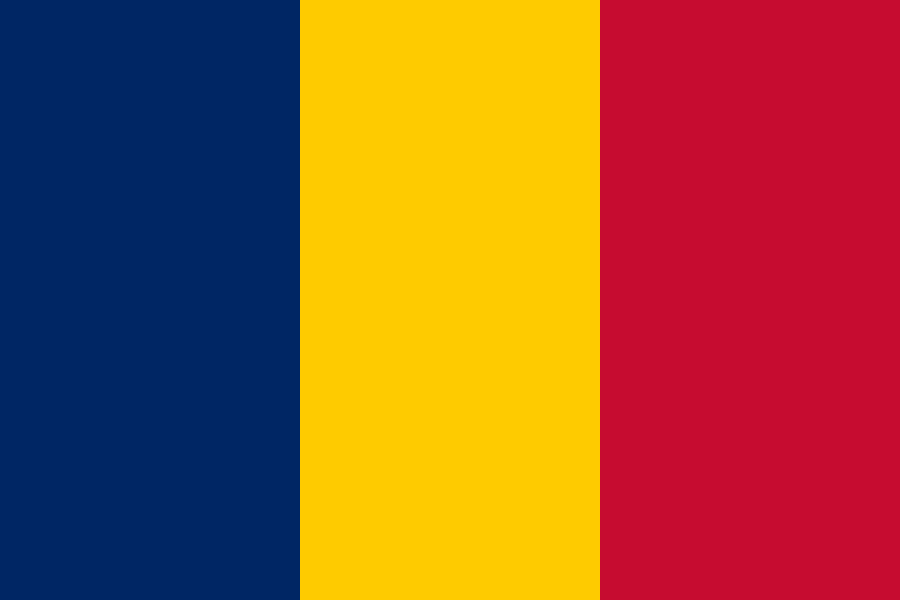
Chad
Chad's far north hides the Ennedi Plateau, a sandstone labyrinth of arches and gueltas, and the Lakes of Ounianga, a UNESCO chain of desert lakes. Zakouma National Park in the south has staged one of Africa's great elephant recoveries.
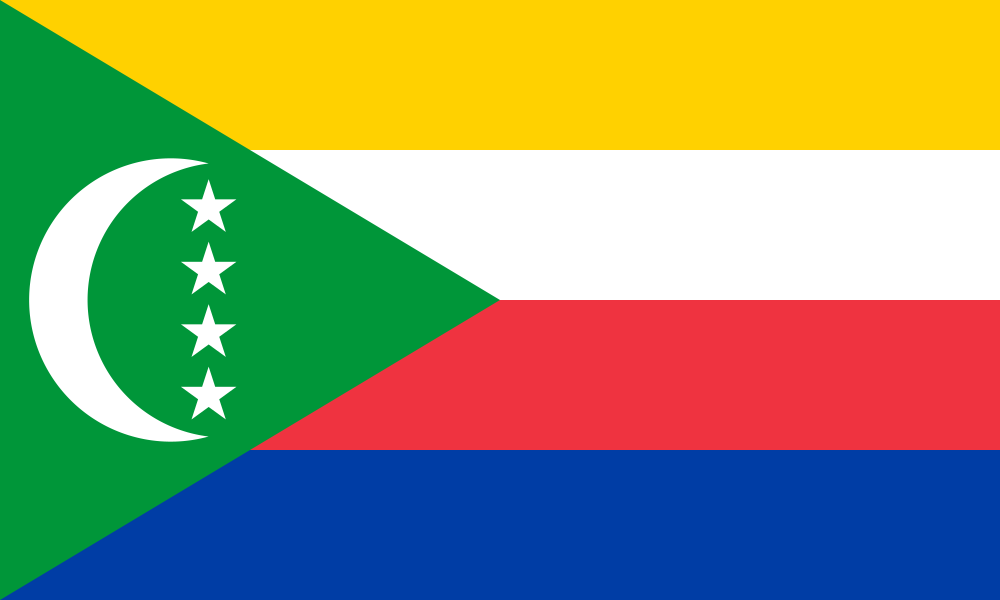
Comoros
The Comoros are three volcanic islands between Madagascar and Mozambique, scented with ylang-ylang and vanilla. Mount Karthala, one of the world's largest active volcanoes, dominates Grande Comore.
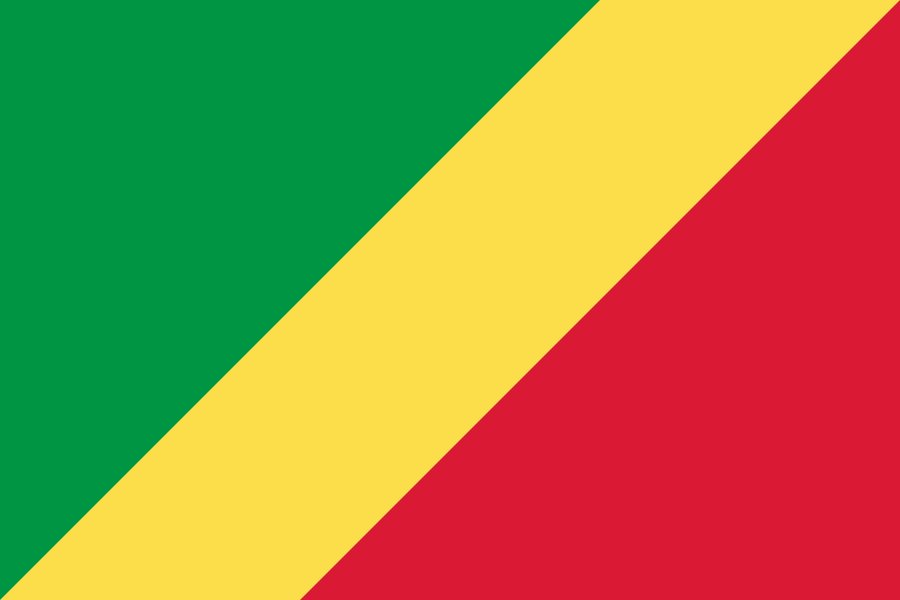
Republic of the Congo
The Republic of the Congo protects some of the most intact rainforest on earth. Odzala-Kokoua National Park offers serious western lowland gorilla tracking from a handful of high-end camps, with Brazzaville as a relaxed river-capital gateway.
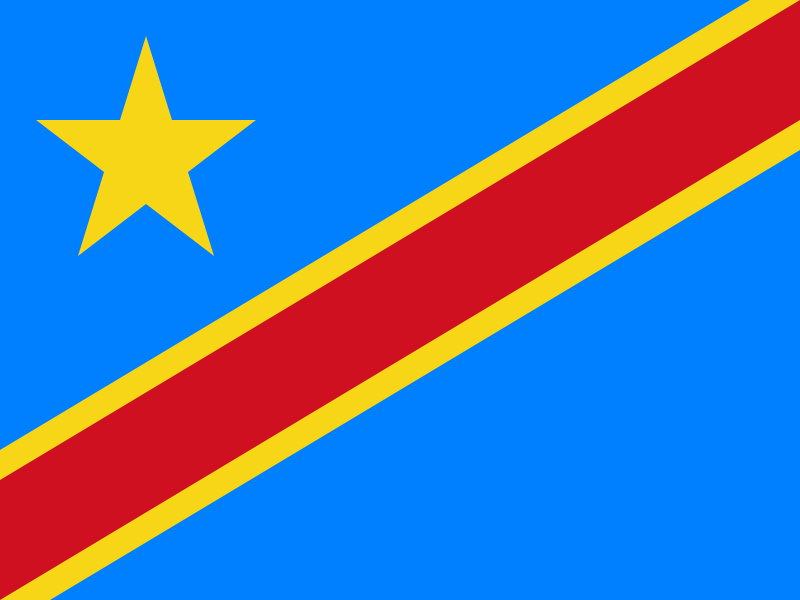
Democratic Republic of the Congo
The Democratic Republic of the Congo contains Virunga, Africa's oldest national park, mountain gorillas, and Nyiragongo's lava-lake volcano. Security in the east fluctuates sharply and access opens and closes accordingly.
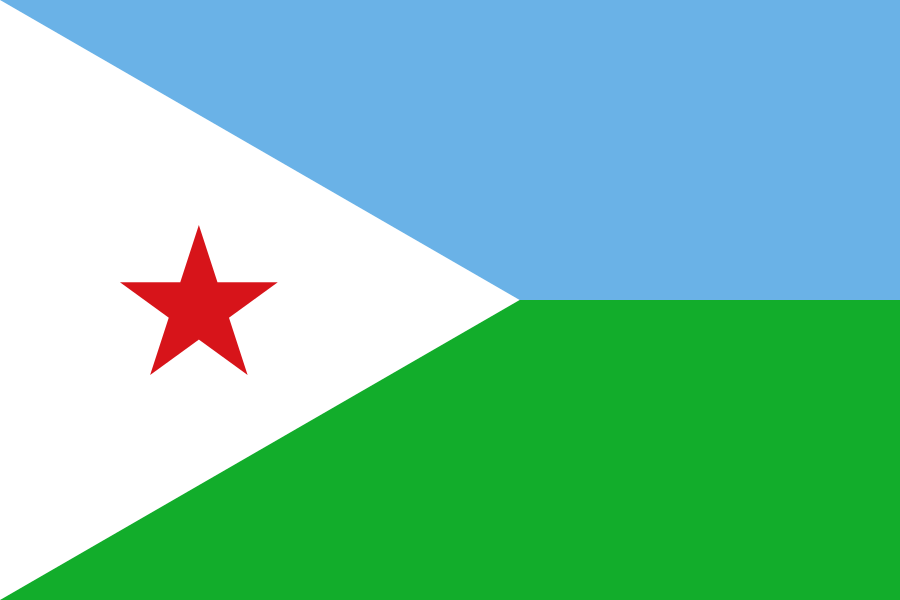
Djibouti
Djibouti is a geological showpiece where three rift systems meet: Lake Assal sits 155 m below sea level, Lake Abbé bristles with limestone chimneys, and whale sharks gather in the Gulf of Tadjoura every winter.

Egypt
Egypt pairs the Giza pyramids, Luxor temples, and Abu Simbel with Red Sea reefs at Dahab and Hurghada. A Nile cruise is the classic seven-night frame; Cairo adds the Grand Egyptian Museum.