Why visit
Arequipa is the White City carved from volcanic stone, Santa Catalina Monastery (a city within a city), and the Colca Canyon condor viewpoints two hours out.
Why visit
Arequipa is the White City carved from volcanic stone, Santa Catalina Monastery (a city within a city), and the Colca Canyon condor viewpoints two hours out.
Country
Region
South America
How to use this result
Arequipa is included because it has traveler appeal beyond being a dot on the map. Use the themes, neighborhoods, notes, and season guidance to decide whether it fits a weekend, longer route, or writing prompt.
For a real trip, check how Arequipa connects with nearby cities, airports, rail or bus routes, local costs, weather, and entry rules for Peru.
Arequipa at a glance
City population
1.0 million
Elevation
2,397 m
7,864 ft
Time zone
UTC-5
America/Lima
Airport
AQP
Rodríguez Ballón International Airport
Peru at a glance
Country center
-10.0°, -76.0°
Coast
Has coastline
Traffic
Drives on the right
Time zones
Single time zone
Country area
1,285,216 km²
496,224 mi²
Country population
34.4 million
27/km²
Subregion
South America
Currency
Peruvian sol (S/.)
PEN
Dial
+51
Languages
Aymara, Quechua, Spanish
Demonym
Peruvian
Internet
.pe
UN
Member state
ISO code
PE / PER
Where in the world
-10.0° - -76.0°
Click the map to open in Google Maps. Outline via svg-maps/world - CC BY 4.0
Did you know
Bordering Peru
Traveler notes
Plan checks
Explore more
Facts last reviewed June 2026 against GeoNames and national statistics sources. See the editorial policy for how destination data is maintained.
Frequently asked about Arequipa
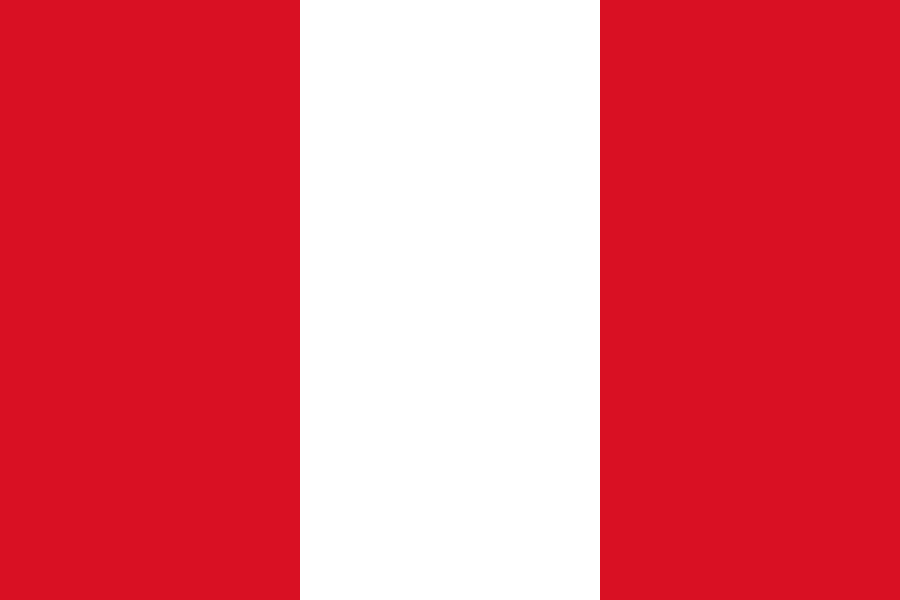
Arequipa is in Peru, in South America.
Arequipa uses the Peruvian sol (S/.), ISO code PEN.
The primary languages are Aymara, Quechua and Spanish.
The calling code is +51.
Rodríguez Ballón International Airport (IATA: AQP).
Yes, Arequipa sits at 2,397 m (7,864 ft). Give yourself a day or two to acclimatize.
Other South America destinations
Guyana
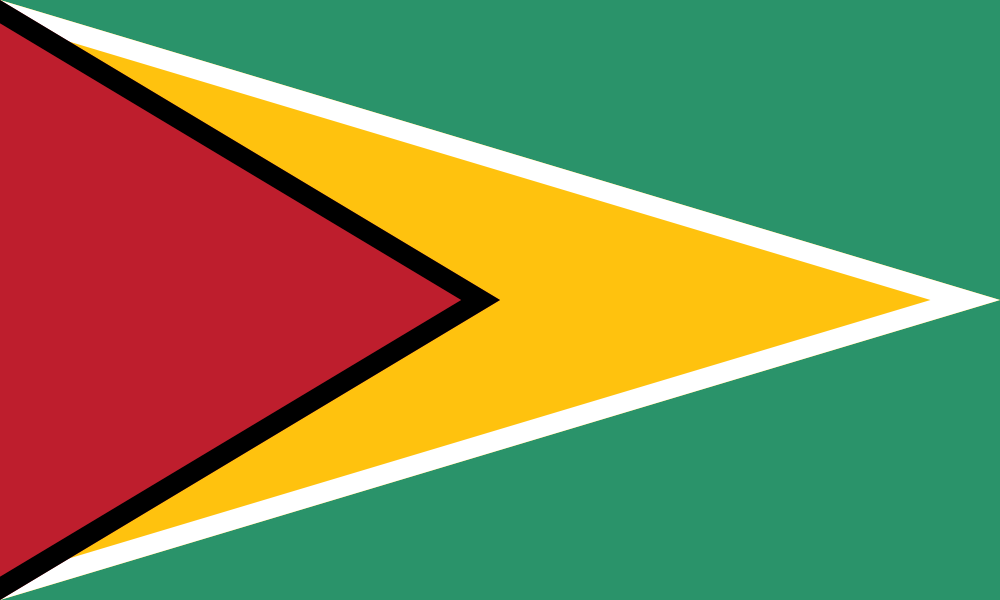
Guyana is South America's English-speaking rainforest country, known for Kaieteur Falls, Rupununi savanna, wildlife lodges, and Georgetown's wooden colonial architecture. It is best for travelers who value nature and expedition logistics over polished tourism.
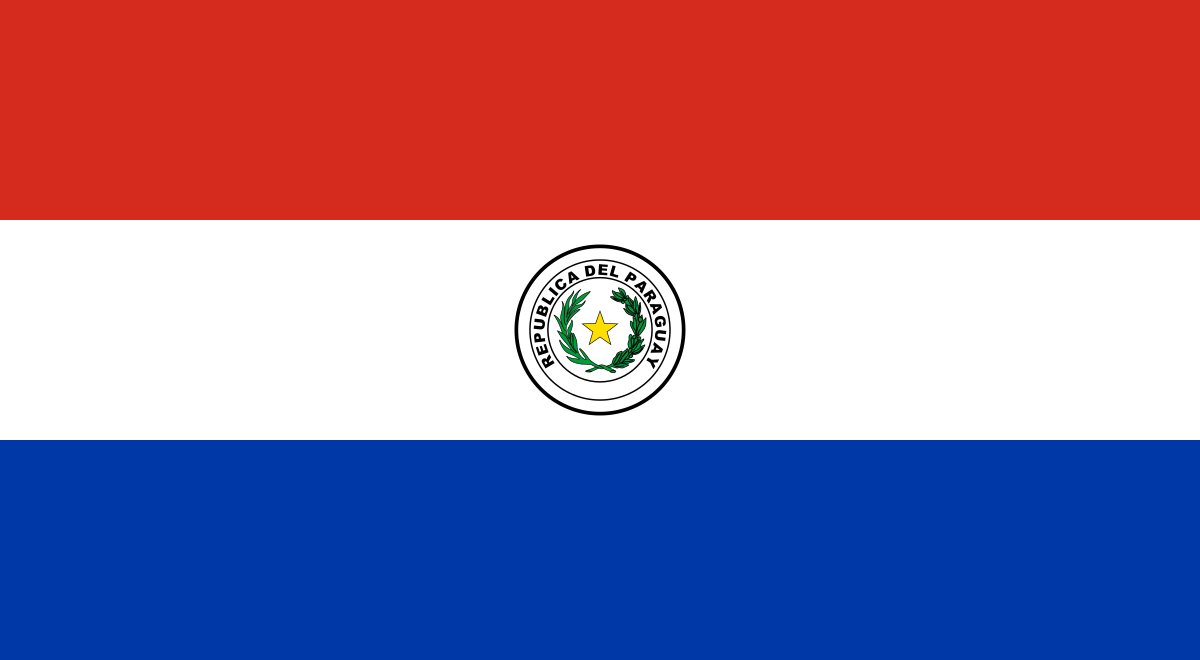
Paraguay
Paraguay is landlocked, subtropical, and little visited, with Asunción, Jesuit mission ruins, Guarani culture, the Chaco, and the Itaipu Dam on its eastern border. It rewards slow travelers who like overlooked places.
Peru
Peru is Machu Picchu and the Sacred Valley, Cusco's Inca + colonial layers, Amazon jungle at Puerto Maldonado, Lima's Michelin-listed food, and the Nazca Lines.
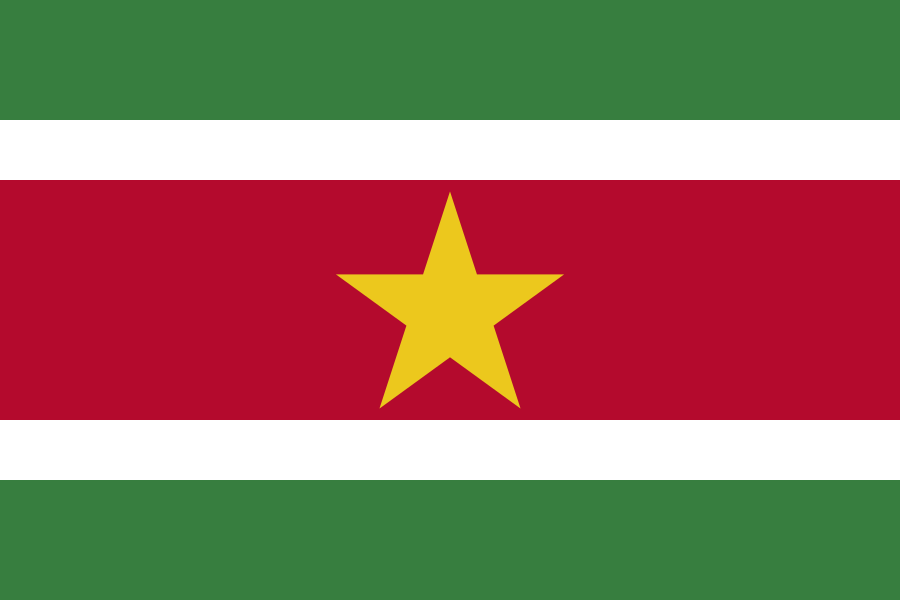
Suriname
Suriname combines Paramaribo's wooden architecture, rainforest rivers, former plantation routes, and Maroon, Javanese, Hindustani, Indigenous, Dutch, and Creole cultures. It is one of South America's most culturally distinctive small countries.
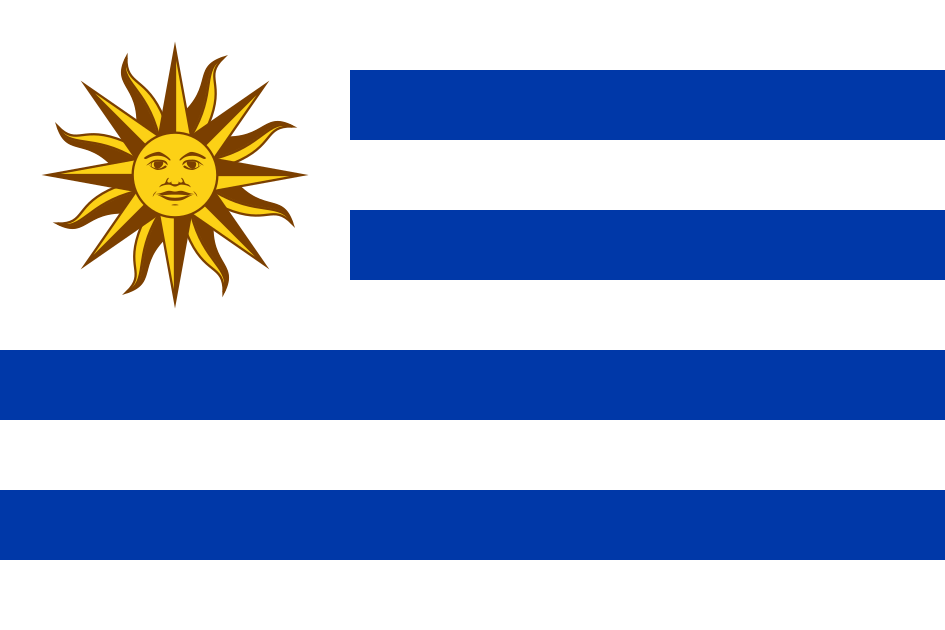
Uruguay
Uruguay is calm, coastal, and easy to travel: Montevideo, Colonia del Sacramento, Atlantic beaches, wine country, and gaucho estancia stays. It works especially well as a slower counterpoint to Argentina or southern Brazil.
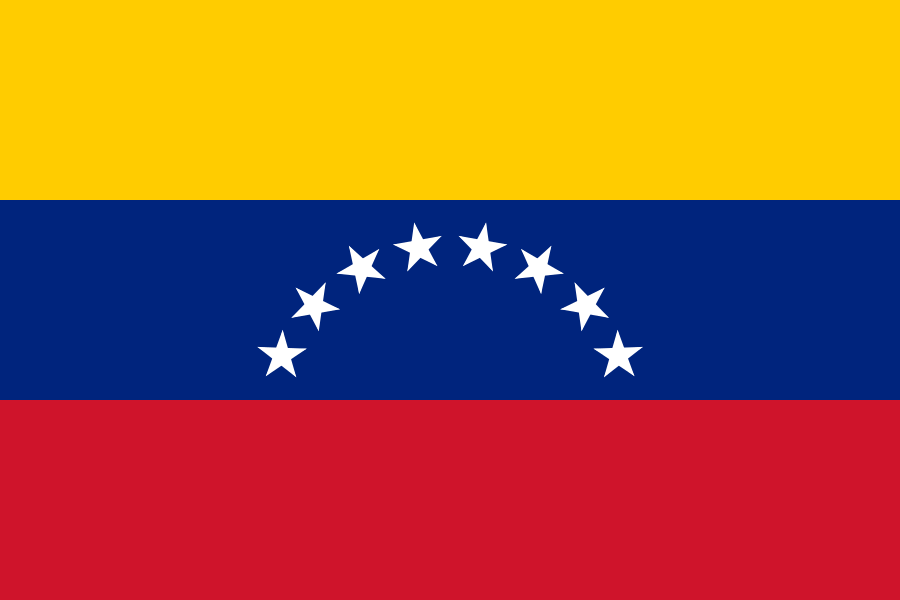
Venezuela
Venezuela has some of South America's greatest landscapes: Angel Falls, Canaima, Los Roques, the Andes, Llanos wetlands, and Caribbean coast. Current access and services vary widely, so planning needs up-to-date local guidance.